Quick answer: Confirm what the dining plan really covers, set a weekly cap for each food category outside it, multiply the weekly total by 4.33 for the monthly number, then adjust after two weeks of real college life.
This checklist helps students and families set a realistic food budget before move-in, then adjust it once real college life begins. Use the print button to take it with you, or the calculator below to run your own numbers.
1. Get the dining-plan facts
Before setting a separate food budget, confirm:
- Meals or swipes included each week
- Dining dollars included each semester
- Where dining dollars can be used
- Whether unused swipes or dollars roll over
- Guest swipes included
- Weekend and holiday dining availability
- Meal-plan change deadline
- Refund or cancellation rules
- Dietary accommodations available
- Late-night dining options on or near campus
DormHQ rule: Do not budget around the meal plan brochure. Budget around how the student will actually eat.
2. Pick a weekly amount for food outside the plan
Set a realistic weekly cap for each category. Type your numbers in and the totals update as you go; the monthly estimate uses the 4.33 average weeks per month.
| Category | Weekly plan |
|---|---|
| Weekly total | $0 |
| Estimated monthly total (weekly × 4.33) | $0 |
3. Turn the weekly number into a monthly budget
Monthly food budget = weekly non-plan food total × 4.33
Then add any predictable monthly extras, such as a grocery delivery membership or dietary specialty items.
DormHQ may earn a commission if you buy through links on this page, at no extra cost to you. As an Amazon Associate, DormHQ earns from qualifying purchases.
Walmart+ membership
Free delivery on groceries and essentials with no item markups, which is how a parent restocks a dorm from three states away.
- Best for
- Families who plan to send groceries, snacks, or forgotten essentials during the semester.
- Check before buying
- Confirm Walmart delivers to the campus address, and note that students may qualify for a discounted rate.
Example
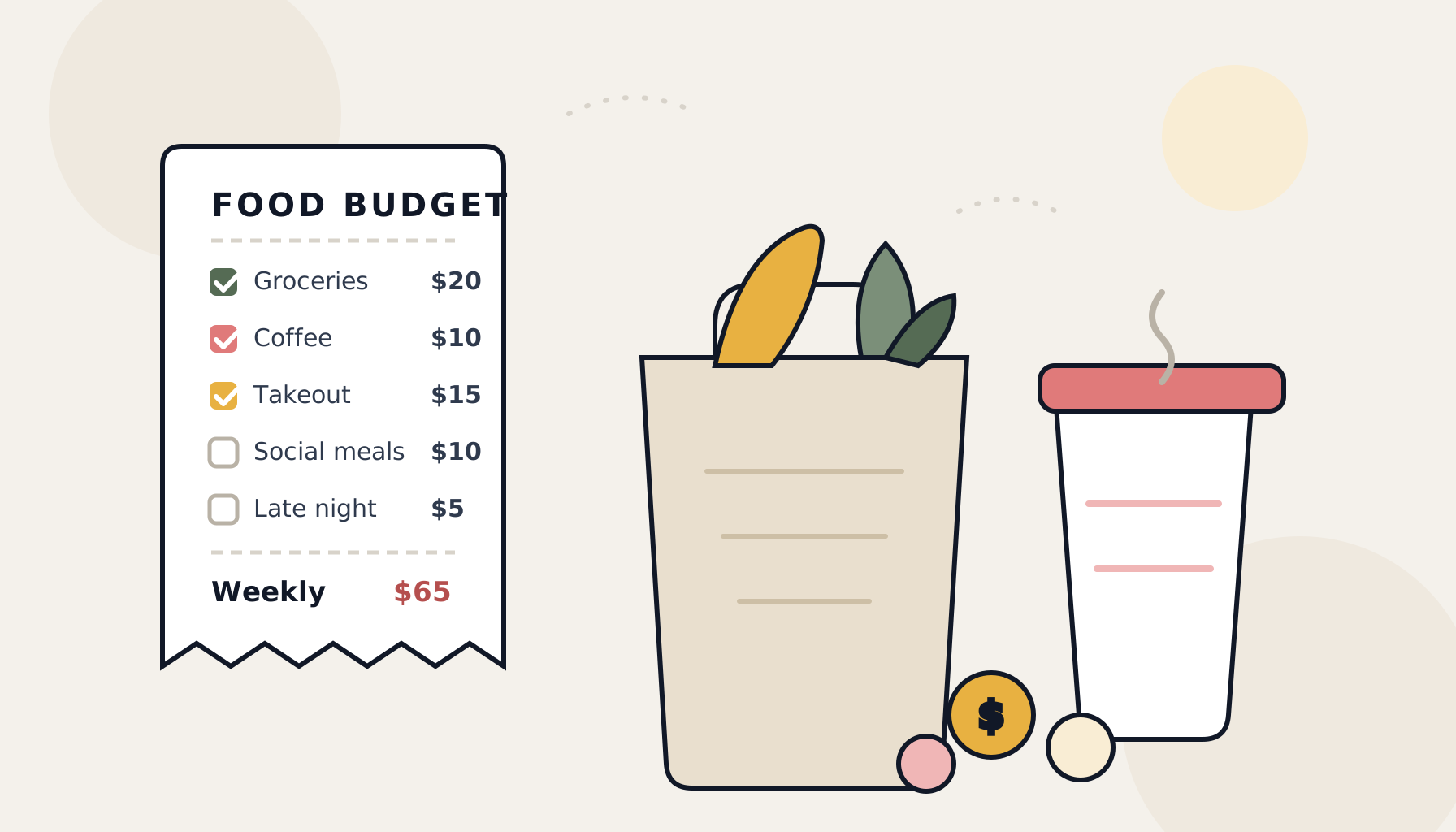
A student plans:
- $20 for groceries and snacks
- $10 for coffee and drinks
- $15 for takeout
- $10 for social meals
- $5 for convenience food
- $5 for a buffer
Weekly total: $65. Estimated monthly total: $281.45. That number can feel annoyingly real, which is exactly why it belongs in the plan.
4. Make a first-week grocery list
Buy enough to learn the student's routine, not enough to provision a small bunker.
Easy dorm-room basics
- Breakfast item that will actually get eaten
- Two or three reliable snacks
- Shelf-stable protein
- Fruit or vegetables in realistic quantities
- Water bottle or refillable cup
- Microwave-safe bowl, plate, and mug if permitted
- Reusable utensils
- Food-storage containers
- Dish soap and sponge
- Trash bags
- One emergency meal for a closed dining hall or very late night
5. Check the room and school rules first
Before buying food appliances or bulk groceries, confirm:
- Mini-fridge dimensions and whether one is provided
- Microwave rules
- Allowed cooking appliances
- Shared-kitchen access
- Grocery-store access and transportation
- Food-storage space
- Roommate plans for shared appliances
- Allergy or dietary concerns
- Pest-prevention requirements
6. Set the guardrails
Choose the rules before hunger and convenience start negotiating.
- Set a weekly food-spending limit
- Set a delivery-order limit
- Use dining dollars before personal funds when possible
- Keep three low-effort backup meals available
- Make a grocery list before shopping
- Review spending once a week
- Adjust after the first two weeks
- Decide who pays for shared food and supplies
7. Use the two-week reality check
After the first two weeks, ask:
- Is the dining plan being used?
- Are groceries spoiling?
- Is delivery spending higher than expected?
- Are late classes changing meal habits?
- Does the weekly budget need to move between categories?
- Would a different meal plan make more sense before the change deadline?
The first budget is a starting point. The useful budget is the one based on actual behavior.
Quick printable checklist
- Dining-plan details confirmed
- Weekly non-plan food budget set
- Monthly total calculated
- First-week grocery list made
- Appliance and food-storage rules checked
- Delivery limit chosen
- Emergency food stocked
- Weekly review day selected
- Two-week adjustment date scheduled
Dorm food budget questions, answered
How much should a college student budget for food outside the meal plan?
It depends on the dining plan and the student's habits, which is why this checklist starts from per-category weekly numbers instead of a universal figure. As one worked example, $20 for groceries, $10 for coffee, $15 for takeout, $10 for social meals, $5 for convenience food and a $5 buffer comes to $65 a week, or about $281 a month.
How do I turn a weekly food budget into a monthly one?
Multiply the weekly total by 4.33, the average number of weeks in a month. Then add predictable monthly extras such as a grocery delivery membership or specialty dietary items.
What food should you buy for the first week in a dorm?
Buy enough to learn the student's routine, not to stock a bunker: one breakfast item that will actually get eaten, two or three reliable snacks, shelf-stable protein, realistic amounts of fruit or vegetables, and one emergency meal for a closed dining hall or a very late night.
When should you adjust a dorm food budget?
After the first two weeks of real college life. Check whether the dining plan is actually being used, whether groceries are spoiling, and whether delivery spending is higher than planned, then move money between categories or revisit the meal plan before the change deadline.
One shared plan beats six separate conversations
Use DormHQ to keep purchases, packing, responsibilities, and move-in decisions in one place, starting with the Build My Dorm quiz.
Build your shared dorm plan.
Build My Dorm